


A custom web application development company builds software that’s designed from the ground up to fit your business’s exact needs, unlike generic, off-the-shelf tools. Think of it like getting a suit tailor-made versus buying one off the rack—the fit, the fabric, and the function are all created just for you.
Why Off-the-Shelf Software No Longer Works

Many businesses start out with pre-packaged software. These tools are often affordable and easy to get running, which makes them a great choice for startups and small teams. But as your business expands, the cracks in these one-size-fits-all products start to show.
Imagine you’re running a complex logistics operation with a generic project management tool. Soon, you’re stuck creating clumsy workarounds to track inventory or schedule deliveries because the software wasn’t built for it. This is a huge pain point for growing businesses the software ends up controlling your workflow instead of helping it.
The Problem with Generic Solutions
The biggest issue with off-the-shelf software is that it’s completely rigid. These tools are made for the masses, so they’re often bloated with features you’ll never use while missing the critical ones you actually need. This creates massive operational headaches and lost opportunities.
A custom web application development company solves this problem by building a solution that perfectly mirrors your business logic.
Key frustrations with generic software include:
- Workflow Gaps: The software can’t adapt to your unique processes, forcing your team into inefficient workarounds or endless manual data entry.
- Poor Integration: Getting different off-the-shelf tools to talk to each other is a nightmare, leading to data silos and no single, clear view of your operations.
- Inability to Scale: As your user base or operational demands grow, generic software often slows down, lags, and even crashes under the pressure.
- Generic Customer Experience: These tools give you very few options for branding and customisation, stopping you from delivering a unique and memorable experience to your customers.
Think of generic software as a standard-issue key that only opens a few doors. A custom web application is the master key, designed exclusively to unlock your business’s most important opportunities.
The Shift to a Tailored Approach
Because of these problems, a custom solution isn’t a luxury anymore—it’s a strategic move to get ahead of the competition. It gives you the power to automate specific tasks, connect seamlessly with other systems, and provide a far better user experience.
Partnering with a professional custom web application development company lets you build a digital asset that grows with you, delivering the flexibility and power that generic software just can’t offer.
What a Custom Web Application Development Company Does

So, what does a custom web application development company actually do? It’s a lot more than just writing code. They’re your strategic partner, there to turn a business idea scribbled on a napkin into a fully functioning digital product that people can use.
Think of it like building a custom home. You wouldn’t just hire a bunch of builders and hope for the best. You’d bring in an architect for the blueprints, a construction crew for the heavy lifting, an interior designer to make it liveable, and an inspector to make sure it’s all up to code. A good development company fills all those roles for your digital product.
This partnership is a journey. It starts with deep conversations to understand your business goals and map them to a technical plan, and it ends with a scalable app that’s ready to grow right alongside your business.
Core Functions of a Development Partner
A true development partner doesn’t just build and walk away. They offer a full suite of services that cover your product’s entire lifecycle. Their job is to wrestle with all the technical details so you can stay focused on running your business. They take your big-picture goals and translate them into real, working features.
Here are the key services you should expect:
- Strategic Consulting: This is where it all begins. They dig into your market, your customers, and your biggest challenges to create a clear product strategy that solves actual problems.
- UI/UX Design: Long before any code gets written, designers are busy creating intuitive interfaces and smooth user experiences. This means wireframes, prototypes, and user testing to make sure the final product is not only good-looking but also dead simple to use.
- Engineering and Development: This is the construction phase. Front-end developers build the part of the app your users see and interact with, while back-end developers build the server, database, and all the logic that makes it work.
- Quality Assurance (QA) Testing: A dedicated team works tirelessly to hunt down and fix bugs, plug security holes, and smooth out performance issues. This ensures you launch with a stable, reliable, and secure product.
- Ongoing Maintenance and Support: The work isn’t over once your app is live. A reliable partner sticks around to provide continuous support, monitoring, and updates to keep everything running perfectly. Explore our full range of custom development services to see how we support businesses long after launch.
Technology Stacks They Command
Having the right tools for the job is non-negotiable. A top-tier custom web application development company will be fluent in a wide range of modern technologies, allowing them to pick the perfect stack for your project’s unique needs.
For example, they’ll have a deep understanding of powerful frameworks for building all sorts of applications:
- Front-End: Technologies like React, Angular, and Vue.js are used to create those dynamic, interactive interfaces users love.
- Back-End: For robust and scalable server-side power, they’ll use tools like Node.js, PHP (often with frameworks like Laravel), and ASP.NET.
- E-commerce Platforms: For D2C brands, they’ll have expertise in platforms like Shopify and Magento to build sophisticated online stores designed for high conversions.
A development company doesn’t just build an app; they build a business solution. Whether it’s a D2C brand needing a high-conversion Shopify store or an enterprise requiring a complex ERP integration, their value lies in creating a digital asset that drives measurable results.
India has emerged as a global hub for this kind of work, home to the world’s largest talent pool with over 5.4 million developers. This incredible workforce has allowed the country to secure a huge piece of the global web development market. For companies like ThePlanetSoft, this access to talent means we can deliver world-class web apps at a competitive price point, all while maintaining a stellar 97% client retention rate.
How to Choose the Right Development Partner
Picking the right custom web application development company is probably the most critical choice you’ll make for your project. This isn’t just about hiring a coder; it’s about finding a partner who will shape your budget, timeline, and the final quality of your app. Get this right, and you’ll save yourself a world of headaches, time, and money later on.
To make a smart decision, you need to look beyond a slick website or a cheap quote. You have to investigate four key areas to find a team that can actually deliver on their promises and become a real asset for your business.
Technical Expertise and Portfolio
First, you need to confirm their technical skills and see what they’ve built before. A company’s portfolio is their CV. It should tell you right away if they have the experience your project demands. Don’t just glance at the pretty designs—ask to see live demos or read detailed case studies.
As you review their past work, ask these questions:
- Industry Relevance: Have they built apps for businesses like yours? A team that already understands your industry’s specific challenges has a massive head start.
- Technical Complexity: Do their case studies show they can handle complex features, tricky integrations, or apps that need to support a lot of users? This proves they can do more than just build simple websites.
- Measurable Results: Does the portfolio show the real-world impact of their work? Look for stats like increased conversions, better efficiency, or user growth.
A solid partner will be eager to share case studies that break down the problem, their solution, and the successful outcome. If their portfolio is vague or just full of basic brochure sites, consider that a major red flag.
Development Methodology and Communication
The second thing to look at is how they work. A team of geniuses with a chaotic process will only lead to frustration. You need a partner with a clear, structured plan and a habit of open communication.
A partner’s client retention rate is a powerful indicator of their success. A high rate, like the 97% client retention we maintain at ThePlanetSoft, shows a history of meeting expectations, communicating effectively, and building lasting trust.
Ask potential partners about their project management style. Most top-tier firms now use an Agile methodology. This means they break the project into small, two-week chunks called “sprints.” This approach allows you to give regular feedback, makes it easy to adapt to changes, and lets you see consistent progress.
Good communication is just as important. You should get regular updates, have access to a project tool like Jira or Trello, and have a single person you can call who can answer your questions quickly. If you are looking for particular skills, it’s also a good idea to see how they structure their teams. For example, you can see how to hire dedicated ReactJS developers to understand their talent offerings better.
Security and Scalability Focus
An app that isn’t secure or can’t handle growth is a ticking time bomb. The third crucial area is making sure your partner builds in security and scalability from the very beginning, not as an afterthought.
From day one, they should be talking about:
- Security Practices: What do they do to protect your app from common online threats? A good team will follow best practices like the OWASP Top 10, run regular security checks, and use strong data encryption.
- Scalable Architecture: How will the app cope if you suddenly get a huge spike in users? They should be designing it on a cloud platform like AWS or Azure so it can automatically scale up or down as needed.
A forward-thinking custom web application development company plans for your success down the road, ensuring your app stays fast, reliable, and secure as your business grows.
Pricing and Engagement Models
Finally, you need to understand their pricing and the different ways you can work with them. Transparency is everything here. Steer clear of partners who are vague about costs or try to lock you into a rigid, one-size-fits-all contract. A trustworthy agency will give you a clear, detailed proposal and flexible options that fit what you need.
To help you decide, it’s useful to compare the common engagement models you’ll encounter.
Choosing the Right Engagement Model for Your Project
This table compares common engagement models offered by custom web application development companies to help you select the one that best suits your project’s scope, budget, and flexibility needs.
| Engagement Model | Best For | Budget Control | Flexibility | Example Scenario |
|---|---|---|---|---|
| Fixed Price | Projects with clearly defined scopes and features. | High | Low | Building a specific marketing site with set pages. |
| Time & Materials | Complex, long-term projects with evolving needs. | Medium | High | Developing a new SaaS product with an iterative roadmap. |
| Dedicated Team | Businesses needing ongoing development resources. | Medium | High | Augmenting your in-house team with specialised skills. |
The right model really depends on your project’s size, your budget, and how much you expect things to change. A good partner will talk you through these choices and help you find the one that makes the most sense for your goals.
The Custom Web Application Development Lifecycle
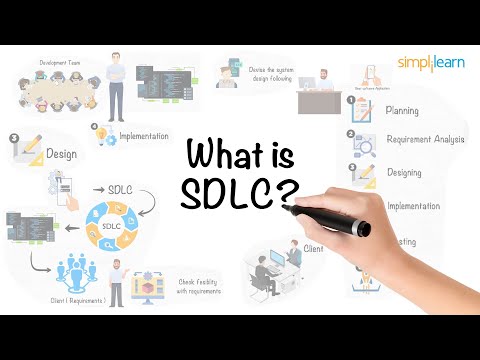
So, what does it really take to turn a great idea into a working web application? It’s not magic. A professional custom web application development company follows a clear, structured process to get from concept to launch.
Think of it like a blueprint for building a house. Every stage has a purpose, making the project predictable and keeping everyone on the same page from day one. Let’s walk through the six key phases you can expect when you partner with a development agency.
Phase 1: Discovery and Strategy
This is where it all begins. Before anyone writes a single line of code, your development partner needs to get inside your head. They’ll spend time understanding your business, who your customers are, and exactly what problem your app is meant to solve.
You can expect a lot of conversations and workshops focused on pinning down the project’s goals, must-have features, and how users will actually navigate the app. The end goal here is a solid technical plan that’s perfectly aligned with your business objectives. Rushing this stage is a classic mistake that always leads to expensive fixes down the road.
Phase 2: UX/UI Design and Prototyping
With a clear strategy locked in, the focus shifts to what your app will look and feel like. First up is User Experience (UX). Designers will create wireframes—basic sketches of your app’s layout—and map out user flows to make sure everything is logical and easy to use.
Next comes User Interface (UI) design. This is where the app gets its visual personality. Designers add colours, fonts, and interactive elements to create polished mockups. The result is often a clickable prototype that feels like the real thing. It’s a huge advantage, as you can test the entire design and give feedback before development even starts.

Phase 3: Development and Coding
This is the phase where your app starts to become real. Developers take the designs and technical plans and turn them into actual code. They’ll build both the front-end (everything your users see and interact with) and the back-end (the server, database, and all the logic that makes it work).
Most modern teams break this work into sprints, which are short, focused cycles lasting one or two weeks. At the end of each sprint, they deliver a small, working piece of the application. This approach lets you see progress continuously and makes it easy to give feedback along the way. To get a feel for the kind of quality that comes from a well-managed process, feel free to check out our custom web application portfolio.
Phase 4: Testing and Quality Assurance
Testing isn’t something that just happens at the end. A dedicated Quality Assurance (QA) team works alongside the developers from the start, constantly looking for bugs, glitches, or anything that doesn’t work as expected. A deep understanding of the software testing life cycles is what separates a buggy app from a reliable one.
The QA team runs a whole battery of tests, including:
- Functional Testing: Does every button, form, and feature do what it’s supposed to?
- Usability Testing: Is the app actually intuitive and easy for a real person to use?
- Performance Testing: How does the app handle lots of users at once? Is it fast and responsive?
- Security Testing: Are there any weak spots that could be exploited by hackers?
Phase 5: Deployment and Launch
The moment of truth. Once the app is fully tested and gets the final green light, it’s time to push it live for the world to see. This deployment process involves setting up the live server, migrating the database, and pushing the code to a production environment.
A good custom web application development company handles all the technical details to make sure the launch is completely smooth, with zero or minimal downtime.
Phase 6: Post-Launch Support and Optimisation
Launching the app is just the beginning of the journey, not the end. Once your application is live, you need ongoing support to keep it running smoothly. This means monitoring its performance, fixing any new bugs that pop up, and doing regular maintenance to keep it secure.
This phase is also about looking ahead. By analysing how people are using the app, you can find opportunities for new features and improvements, ensuring your product continues to evolve and meet user needs over time.
Integrating Your App into a Connected Business Ecosystem

A good custom web app doesn’t just sit on its own. It should plug directly into the heart of your business, acting as a central hub that connects everything. A seasoned custom web application development company knows that the real magic happens after the app is built—when it’s woven into your daily operations.
This is all about making your new app talk to the other software you already use every day. By connecting these systems, you create a single, reliable source of information, which gets rid of confusing duplicate data and tedious manual work.
Connecting Your Critical Business Systems
To get your new app working with your existing tools, it’s important to understand system integration. It’s simply the process of getting different software systems to communicate, and it’s absolutely vital for any modern business that wants to be efficient.
Think about it: your new e-commerce app could instantly update your customer records in the CRM and send order details straight to your ERP. This creates a smooth, automated workflow where every team has the exact information they need, right when they need it.
An experienced development partner will know their way around integrating with key business platforms:
- Customer Relationship Management (CRM): By connecting to tools like Salesforce or Zoho, your sales and marketing teams get a complete, real-time picture of every customer interaction. No more guessing.
- Enterprise Resource Planning (ERP): Integrating with platforms like NetSuite or Zuora automates essential tasks like invoicing, keeping track of inventory, and managing your finances.
This kind of integration turns your app from a standalone tool into a powerhouse for automation and smarter business decisions, which has a direct positive effect on your profits.
A connected ecosystem doesn’t just save time; it creates a unified view of your business. When your CRM, ERP, and custom application all speak the same language, you can make smarter decisions faster.
Modernising with Cloud and DevOps
Beyond just connecting software, a modern custom app needs a solid foundation that’s secure, dependable, and can grow as your business does. That’s where cloud platforms and DevOps practices come in. Instead of running your app on one server in a back room, a smart custom web application development company will host it on a flexible cloud platform.
These cloud services offer huge advantages:
- Scalability: Platforms like AWS and Google Cloud automatically adjust to handle huge spikes in traffic and then scale back down, so you only pay for the resources you actually use.
- Resilience: Your app is spread across multiple servers. If one has an issue, your app stays online and running smoothly without anyone noticing.
- Security: Cloud providers spend billions on security, giving you a level of protection that would be nearly impossible for most businesses to achieve on their own.
When you add DevOps practices and tools like Kubernetes to the mix, things get even better. DevOps automates how software is built, tested, and released, meaning you can get new features out faster and with fewer mistakes. Kubernetes helps manage and deploy your app efficiently across all those cloud servers.
Demand for these advanced solutions is booming. The custom software development market in India, for instance, is growing quickly, with the Asia Pacific region expected to lead global growth at a 20.7% CAGR from 2026 to 2035. A massive 67% global share of this is expected to be cloud-based deployments by 2025. This growth is fuelled by businesses of all sizes wanting to modernise with integrated, scalable apps—the core of what a skilled custom web application development company provides. You can dive deeper into this topic by reading the full research about software development market size and trends.
With a fully connected system, your business simply runs smarter. You can serve customers better, make your internal processes more efficient, and launch new features much faster than your competitors. A connected app is also a huge asset for online promotion, which is a key part of our broader digital marketing services.
Red Flags to Avoid When Hiring a Development Agency
Picking the wrong custom web application development company can completely sink your project. It leads to wasted money, blown deadlines, and a final product that just doesn’t work. To make the right choice, you need to know the warning signs.
Spotting these red flags early helps you steer clear of unreliable partners and protects your investment.
One of the biggest red flags is a vague or unimpressive portfolio. If a company can’t show you detailed case studies with clear, measurable results, it’s a sign they might not have the experience you need. A great partner, on the other hand, will be proud to show off past projects that are similar to yours.
Unclear Processes and Poor Communication
Another major warning sign is a lack of clarity about their development process. If they can’t give you a straight answer on how they manage projects, handle your feedback, or plan to keep you updated, it points to a chaotic workflow. This almost always leads to missed deadlines and a lot of frustration.
A trustworthy agency will have a well-defined and transparent method, like Agile sprints. You should look for partners who offer:
- A structured project plan with clear milestones and what you’ll get at each stage.
- Regular, scheduled check-ins to keep you in the loop on their progress.
- Access to project management tools like Jira or Trello so you can see what’s happening for yourself.
A professional agency doesn’t hide behind confusing tech talk. They make their process easy to understand and want you to be involved, making you feel like a real partner, not just another client.
Unrealistic Promises and Hidden Costs
Be very careful with any company that makes promises that sound too good to be true. An agency guaranteeing a complex app in a ridiculously short time or at a rock-bottom price is probably cutting corners somewhere. This usually results in a low-quality product full of bugs and security risks.
A reliable custom web application development company gives you a detailed, transparent pricing proposal that breaks down every single cost. They set realistic expectations right from the start and explain the trade-offs between what you want, how long it will take, and what it will cost.
An honest partner would rather have a tough conversation upfront than let you down later. Look for transparency and a realistic outlook—these are the signs of a team you can actually count on to deliver.
Frequently Asked Questions About Custom Web Apps
Jumping into the world of custom software always brings up a few questions. To give you some clarity, we’ve put together answers to the most common queries businesses have before partnering with a custom web application development company.
Think of this as your quick guide to understanding the key concepts, so you can make a decision that’s right for your business.
What Is the Difference Between a Web App and a Website
One of the most common points of confusion is the difference between a website and a web app. The easiest way to think about it is this: a website is like a digital brochure. It’s mostly there to provide information, like a company profile or a blog. It’s relatively static.
A web application, on the other hand, is an interactive tool. You’re not just reading; you’re doing something. Think of e-commerce stores where you add items to a cart, project management tools for organising tasks, or a full-blown SaaS platform. The key difference is interaction and functionality.
How Much Does a Custom Web Application Cost
There’s no single price tag for a custom web app. The cost can change quite a bit depending on how complex it is, the number of features you need, and the technologies used to build it.
To give you a clearer picture:
- A mid-complexity application with a solid set of standard features usually falls in the $50,000 to $150,000 range.
- A large-scale enterprise platform with complex integrations, high-level security, and advanced functions often starts at $100,000 and can easily go over $500,000.
How Long Does It Take to Build a Custom Web App
Just like the cost, the timeline is tied directly to the project’s size and complexity. Having a detailed roadmap from the start is absolutely crucial for setting realistic deadlines and keeping the process on track.
The timeline for custom development is a marathon, not a sprint. A well-defined scope at the beginning prevents costly delays and ensures the final product aligns perfectly with your business goals.
The demand for unique digital solutions is driving massive growth. For instance, India’s custom software market, valued at USD 2,343.9 million in 2024, is expected to reach USD 10,552.0 million by 2030. A straightforward Minimum Viable Product (MVP) might take 3-5 months to get up and running, whereas a more complicated enterprise system can take anywhere from 6 to 18 months, sometimes even longer. You can explore these insights on custom software development to learn more about this trend.
Ready to build a web application that truly fits your business? The team at ThePlanetSoft has the expertise to turn your vision into a scalable, high-performing digital product. Get in touch with us today to discuss your project.
